

Most homeowners think of spring as the ideal time to tackle outdoor projects. But our winter months here in Florida offer something most of the country doesn’t have: perfect conditions for fence installation.
While our northern neighbors are waiting for the ground to thaw, Central Florida property owners have a strategic edge thanks to our comfortable temperatures, dry weather patterns, and optimal working conditions. Whether you’re in Tampa, Ocala, or anywhere across Central Florida, the cooler months create opportunities that actually make fence installation easier, faster, and more convenient than any other time of year.
Let’s talk about why winter is actually the ideal time for your fencing project—and why waiting until spring might mean missing out on some real advantages.
Florida Winters Are Different
There’s no ice, no frozen ground, and crews aren’t battling harsh conditions or waiting weeks for weather to cooperate. Central Florida winters see daytime temperatures in the 60s and 70s, which are comfortable enough to work outside without breaking a sweat but warm enough that the ground stays workable and equipment operates without issue.
While other parts of the country slow down or completely halt outdoor construction projects from November through March, Florida’s winter climate creates some of the best working conditions we see all year. The soil excavates cleanly, concrete sets properly, and installation work proceeds without the challenges that come with our summer weather patterns.
For homeowners, this means your project timeline becomes more predictable, and the installation experience is simply more pleasant for everyone involved.
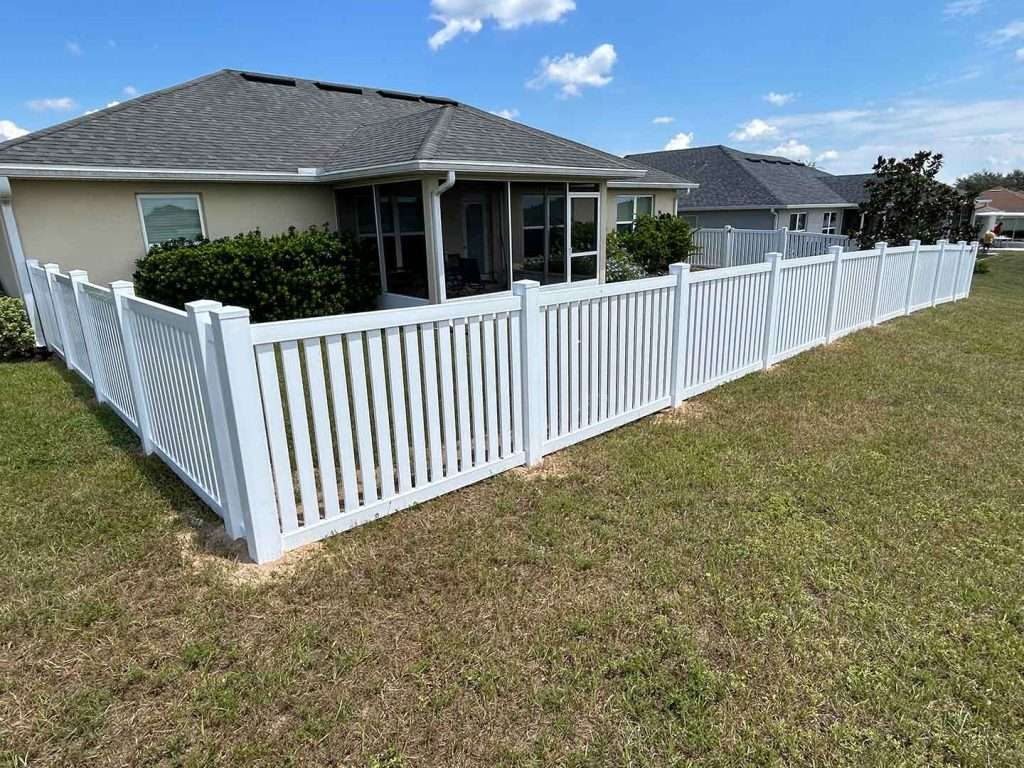
6 Benefits of Winter Fence Installation in Florida
Florida’s winter advantage isn’t just about mild temperatures. Here are six reasons why the cooler months create the ideal window for fence installation projects.
1. Weather Patterns Work in Your Favor
Florida’s dry season runs from October through May, with winter months offering the most stable weather patterns of the year. Compare that to summer, when heavy thunderstorms roll through every day, and you’ll see why winter projects experience fewer delays. Dry ground conditions mean better excavation, cleaner work sites, and installers who can maintain consistent progress without weather interruptions. When your installation team isn’t checking radar every hour or covering materials from sudden downpours, projects move forward smoothly and stay on schedule.
2. Temperature and Comfort Make a Difference
Think about the experience of walking your property line during an estimate meeting in January versus July. Cooler temperatures benefit everyone—from the initial consultation through installation day. You’ll be more comfortable being present for your project, asking questions, and making decisions without standing in 95-degree heat. Installation crews can work more efficiently when they’re not battling heat exhaustion. If you’re someone who likes to observe your project’s progress or communicate with the installation team throughout the day, winter weather makes that experience significantly more pleasant.
3. Scheduling Flexibility Opens Up
Winter typically sees lower demand for fence installation projects because most people assume spring is when they should start planning, which creates a rush from March through May. By contrast, winter months often mean shorter wait times for project scheduling, more flexibility in choosing your installation dates, and installation teams who have the bandwidth to communicate thoroughly and address questions without feeling rushed. You’re not competing with dozens of other homeowners for the same installation slots, which means better service and more attention to your specific project needs.
4. Ground and Site Conditions Are Optimal
Anyone who’s tried to dig in Florida during the rainy season knows the challenge of waterlogged soil. Winter’s dry conditions create ideal ground for fence installation work. Post holes excavate cleanly without collapsing or filling with water. Equipment can access your property without creating muddy ruts across your lawn. The job site stays cleaner throughout the installation process, and foundation work (critical for fence longevity) proceeds under optimal conditions. Concrete sets properly without excess moisture, and the entire installation process benefits from firm, workable ground that makes every aspect of the job easier and more precise.
5. Seasonal Preparation Sets You Up for Success
Planning to use your pool once temperatures warm up? Your pool fence will already be installed and inspected before the swimming season arrives. Concerned about hurricane season? You’ll have a properly installed fence in place well before storm season begins in June. Looking forward to spring and summer entertaining? Your outdoor space will be defined, private, and ready to enjoy without scrambling to coordinate installation during your busiest social months. There’s also something to be said for beating the spring rush—while your neighbors are just starting to call for estimates in April, you’ll already be enjoying your completed project.
6. Universal Application Across Property Types
Winter installation works beautifully for every type of fencing project. Vinyl privacy fences, wood fencing, aluminum fencing, and pool fencing all install just as effectively in January as they would in June—actually more effectively given the weather advantages we’ve discussed. For property owners in the Ocala area with equestrian or agricultural fencing needs, winter conditions are ideal for larger acreage projects where equipment access is vital. Commercial fencing customers benefit from the same scheduling flexibility and weather advantages, with the added bonus of completing projects during slower business periods.
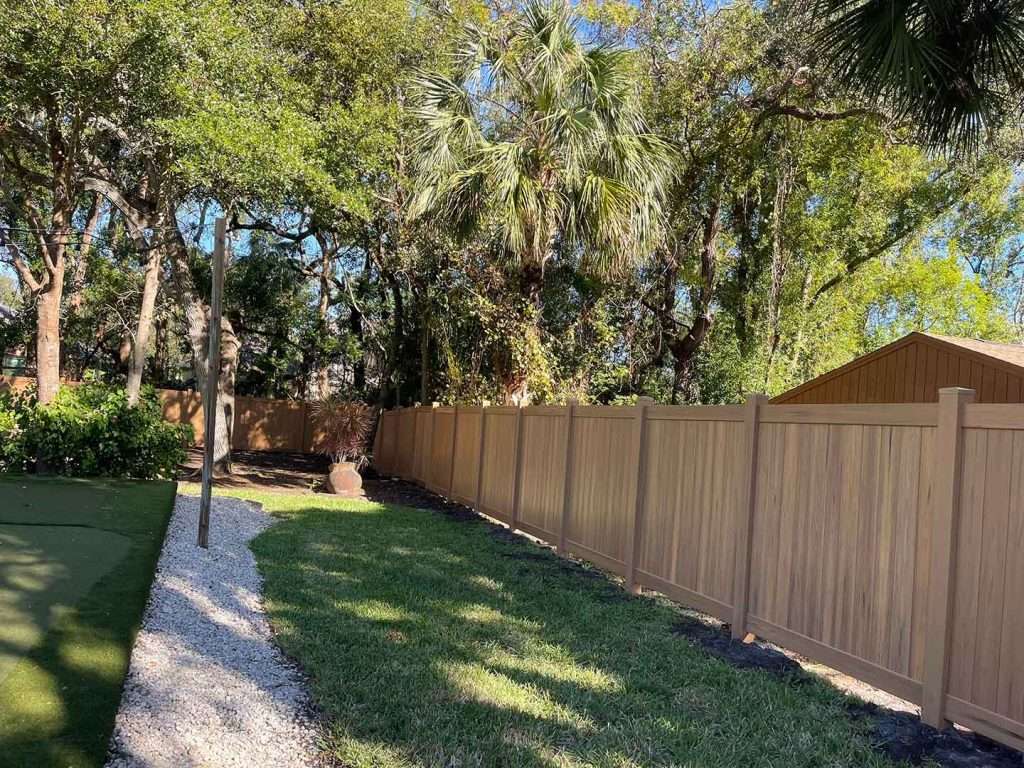
Permits & HOA Approvals
One concern we sometimes hear is, “Don’t municipal offices and HOAs slow down during the holidays?” It’s a reasonable question, but permit requirements and approval processes operate year-round and they don’t change based on season. In fact, winter can actually work to your advantage. Municipal building departments and HOA boards often see fewer applications during winter months, which can mean faster review times and less competition for appointment slots.
Florida State Fence handles the coordination of permits and HOA communications as part of our process, regardless of when you schedule your project. We know which municipalities require what documentation, we understand HOA submission requirements, and we manage these approvals so they don’t become a barrier to moving forward. The season doesn’t change the process—we handle it the same way year-round, and winter timing often works in your favor rather than against it.
Winter Fence Installation FAQs
How long does fence installation take in winter?
Most residential fence installations complete in 1-3 days depending on project size, fence type, and design complexity. Winter’s stable weather patterns actually improve timeline predictability since weather delays are less common than during summer’s rainy season.
Which fence types work for winter installation?
All fence types install successfully during winter months. Vinyl, wood, aluminum, chain link, and pool fencing all benefit from Florida’s mild winter conditions and dry ground.
Do permit requirements change?
No, permit requirements remain consistent throughout the year. Winter installation follows the same permitting process as any other season, though municipal offices may process applications faster during lower-volume months.
Is winter installation more expensive?
Winter installation pricing remains competitive with other seasons. Some homeowners actually find better availability for scheduling, which can mean more flexibility in project timing without premium pricing.
Can you install pool fencing in winter?
Absolutely. Pool fence installation works perfectly in winter and positions you to have everything ready before swimming season. Many homeowners prefer completing pool fencing during cooler months before they plan to use the pool regularly.
What happens if weather causes delays?
While winter offers Florida’s most stable weather, occasional rain can occur. We monitor forecasts closely and communicate proactively if any scheduling adjustments are needed. Winter weather delays are significantly less common than summer weather interruptions.
Ready for the Next Step?
Winter fence installation in Central Florida isn’t just possible—it’s prudent. You get stable weather, comfortable working conditions, scheduling flexibility, and optimal ground conditions. Your project moves forward predictably, and you’re positioned perfectly to enjoy your completed fence when spring and summer arrive.
Florida State Fence serves homeowners and commercial property owners throughout Central Florida from our Tampa and Ocala offices. We handle everything from permits to installation, and we back our work with comprehensive warranties. Financing options are available year-round, so you don’t have to wait to move forward with your project.If you’ve been thinking about a fence installation project, winter timing offers real advantages worth considering. Request your free estimate today, and let’s discuss how we can have your property ready before the spring rush begins. Your future self—relaxing by the pool or hosting gatherings in your newly defined outdoor space—will thank you for planning ahead.


